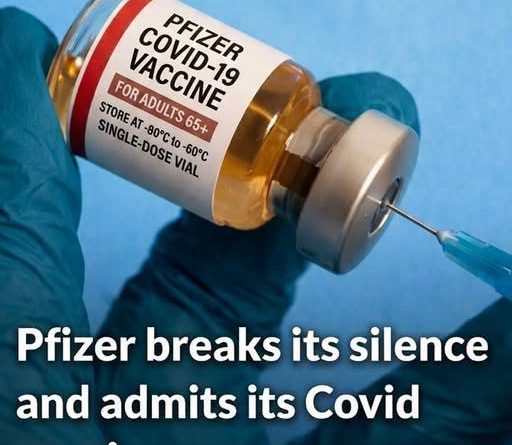
What New Vaccine Safety Data Is Really Changing
The vaccine conversation is entering a different phase. For years, many public discussions were framed as a simple choice between trust and doubt. The newer reality is more complicated: vaccines protected many people from severe illness and death, while a smaller number of people also reported rare but serious side effects that deserve to be taken seriously.
That distinction matters. Acknowledging adverse experiences does not require rejecting vaccination as a public health tool. It means looking at the full picture with honesty, including both the benefits and the harms that can occur in rare cases.
A More Honest Public Health Conversation
For many people, vaccination was part of a broader effort to reduce the risk of severe disease. The available discussion around new safety data continues to support the idea that vaccines played an important protective role for the vast majority.
At the same time, the conversation is widening to include people who experienced serious side effects and felt ignored, dismissed, or left without enough support. In healthcare, that kind of gap can damage trust. Patients are more likely to listen to medical guidance when they believe their concerns will be heard rather than automatically brushed aside.
This is where public health messaging often becomes difficult. Clear guidance is important, but so is transparency. When uncertainty exists, people tend to respond better to careful explanations than to absolute statements that later need to be revised.
Why This Matters
The issue is not only medical. It is also about trust between institutions, doctors, patients, and the public. If people believe that rare complications are being hidden or minimized, confidence can weaken even in treatments that have broad benefits.
A better approach is to separate concern from misinformation. Someone asking about side effects is not automatically against science. In many cases, they are asking the same kinds of questions that responsible healthcare systems should be prepared to answer: What are the risks? How rare are they? What symptoms should be discussed with a doctor? What support is available if something goes wrong?
Those questions are especially important for people making healthcare decisions with their physicians. Individual medical history, risk factors, and current health conditions can all matter, which is why personal medical advice should come from qualified healthcare professionals.
The Bigger Picture
The strongest lesson from this moment is not that vaccines were a mistake. It is that public health earns trust by being complete, not selective. Lives saved and lives changed can both be part of the same story.
Moving forward, better safety monitoring, clearer communication, and more support for people who report serious reactions can help rebuild confidence. The public does not need a perfect system to trust science, but it does need a system willing to admit complexity and respond to it.
The conversation is still evolving, and the most useful path is one that keeps both protection and accountability in view.