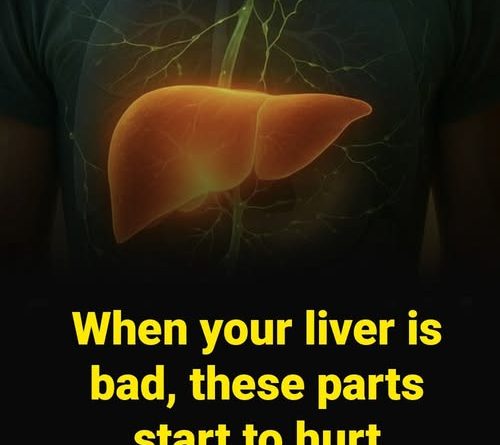
When your liver is bad, these parts start to hurt
The liver is a vital organ responsible for filtering toxins, producing bile, and storing essential nutrients, making it central to overall health. When it struggles, the body often signals distress in subtle or unexpected ways. One of the most common indicators is pain or discomfort in the upper right portion of the abdomen, the area where the liver resides. Conditions such as fatty liver disease, hepatitis, or cirrhosis can cause the liver to become inflamed or enlarged, producing pressure, aching, or sharp sensations in this region.
Pain from liver issues may not be confined to the abdomen. Due to nerve connections, discomfort can radiate to the upper right back or shoulder, a phenomenon known as referred pain. This can be confusing, as the origin may not appear directly related to the affected area. In advanced liver disease, fluid can accumulate in the abdomen, a condition called ascites, causing noticeable swelling, bloating, and a sense of heaviness or tightness in the stomach.
Liver dysfunction often produces symptoms beyond pain. Blocked bile flow can lead to severe itching, especially on the hands and feet, while the buildup of toxins may trigger joint pain and inflammation. Many individuals also report persistent fatigue, weakness, headaches, or mental fog, which can develop gradually and may be linked to hepatic encephalopathy.
Additional warning signs include jaundice—yellowing of the skin or eyes—alongside dark urine, pale stools, or unexplained swelling. Because these signs can resemble other health conditions, they are sometimes overlooked.
Anyone experiencing ongoing abdominal discomfort, persistent fatigue, or changes in skin color should seek medical evaluation promptly. Early detection and intervention can prevent serious complications, support proper liver function, and help maintain long-term health.