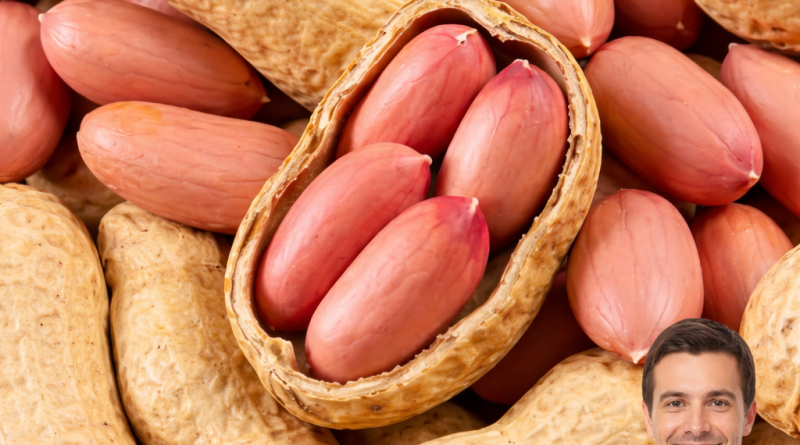
What Happens to Your Body When You Eat Peanuts — Surprising Benefits (and a Few Cautions)
2. Stabilizes Blood Sugar
Thanks to their protein + fiber + healthy fat combo, peanuts slow glucose absorption.
Prevents energy crashes and cravings
Low glycemic index (GI = 14)
Ideal for prediabetes or metabolic health
3. Aids Weight Management
Despite being calorie-dense, peanuts promote fullness and reduce impulsive snacking.
Protein and fiber increase satiety hormones (like GLP-1)
Some fat passes through undigested—meaning you absorb fewer calories than listed
4. Boosts Brain Function
Peanuts contain niacin (vitamin B3) and resveratrol, which:
Support cognitive health
May reduce age-related cognitive decline
Protect brain cells from oxidative stress
5. Strengthens Bones & Muscles
Rich in magnesium, phosphorus, and protein—all essential for:
Muscle repair and recovery
Bone mineral density
Nerve and muscle function
6. Nourishes Skin & Hair
Biotin helps prevent hair loss and brittle nails
Vitamin E protects skin from UV damage and supports elasticity
Copper aids collagen and melanin production
7. Feeds a Healthy Gut
The fiber in peanuts acts as a prebiotic, feeding beneficial gut bacteria linked to:
Improved digestion
Stronger immunity
Better mood regulation
⚠️ Important Considerations
1. Peanut Allergies
Peanuts are one of the top 8 allergens. Even trace amounts can trigger severe reactions (anaphylaxis) in sensitive individuals.
🚫 Never introduce peanuts to a child without pediatric guidance if allergy risk exists.
2. Aflatoxins (Rare but Real)
Peanuts can harbor aflatoxins—toxic molds that grow in warm, humid storage.
Minimize risk: Buy from reputable brands, store in cool/dry place, avoid discolored or shriveled nuts
The U.S. strictly regulates aflatoxin levels in commercial products
3. Sodium & Additives
Flavored or salted peanuts can be high in sodium, sugar, or unhealthy oils.
✅ Choose wisely: Opt for dry-roasted, unsalted varieties when possible.
4. Portion Control
While healthy, peanuts are calorie-dense. Stick to 1 oz (small handful) per serving to avoid overeating.
🥣 How to Enjoy Peanuts for Maximum Benefit
Snack: Raw or dry-roasted (unsalted)
Breakfast: Stir into oatmeal or yogurt
Savory dishes: Add to stir-fries, salads, or grain bowls
Homemade: Blend into natural peanut butter (just peanuts + pinch of salt)
Global flavors: Use in African stews, Thai sauces, or Mexican moles
✨ Tip: Pair with vitamin C-rich foods (like bell peppers or citrus) to boost iron absorption!
💬 Final Thought
Peanuts are far more than a bar snack—they’re a nutritional powerhouse that quietly supports your heart, brain, metabolism, and gut.
So go ahead: enjoy that handful. Just keep it simple, mindful, and allergy-aware.
“Nature packs medicine in the humblest shells.”
Do you eat peanuts regularly? How do you like to use them? Share your favorite way below—we’re all nourishing ourselves wisely together! 🥜💛