“The Hidden Consequences of Sleeping With…”
At first glance, it might seem harmless—perhaps a red or purplish rash on your legs after a warm day of walking or outdoor activity.
Many people shrug it off as sunburn, an allergic reaction, or a few bug bites. But what if it’s your body trying to tell you something more serious?
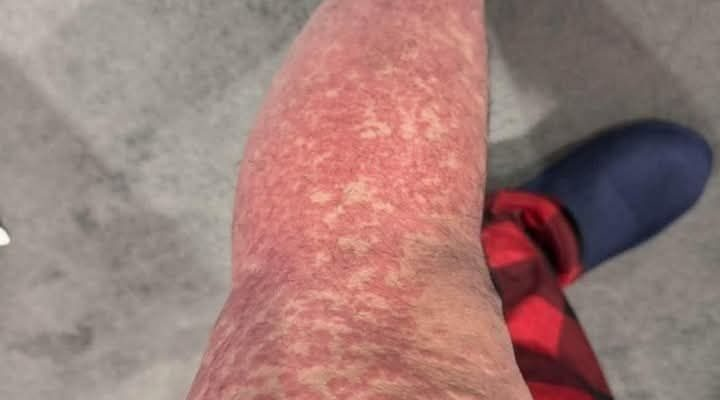
This seemingly mild rash could be exercise-induced vasculitis, a condition where small blood vessels—most often in the lower legs—become inflamed during prolonged activity in hot weather. It’s not widely known, yet it’s surprisingly common, particularly among active adults over 50, especially women.
What Is Exercise-Induced Vasculitis?
This condition occurs when physical exertion in heat causes blood to rush to capillaries near the skin’s surface. In some people, this process results in blood pooling in the lower limbs, leading to inflammation and a distinctive rash. It typically appears on the ankles, calves, or shins, sometimes even reaching the thighs.
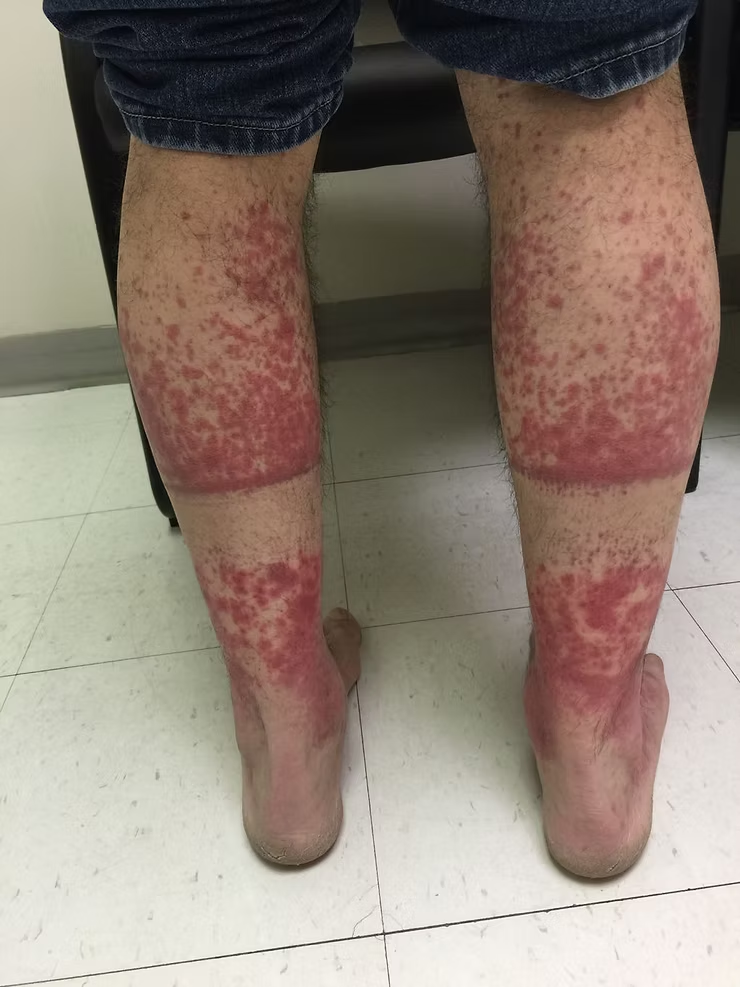
Many cases have been seen in cruise ship passengers, especially after long walks in hot climates. These individuals often return to their cabins to discover an unexpected rash forming just above the sock line. Assuming it’s an allergy, they seek treatment—only to be told that rest and leg elevation are the best remedy.
Recognizing the Symptoms
Symptoms include:
Itching or burning sensations
Redness or purple patches on the legs
A rash that appears a few hours after exercise
Mild swelling or tingling
In most cases, the rash resolves within 7–10 days once the person returns to a cooler environment and reduces physical activity.
How to Relieve It
Although it’s not dangerous, the rash can be irritating. Here are ways to ease the discomfort:
Cool Compresses: Apply a damp, cool cloth to affected areas (never use ice directly on the skin)
Elevate the Legs: Raising your legs above heart level improves circulation and reduces swelling.
Stay Hydrated: Proper hydration can support vascular health and prevent worsening of symptoms.
Antihistamines: Over-the-counter options may reduce itching or discomfort.
What to Avoid