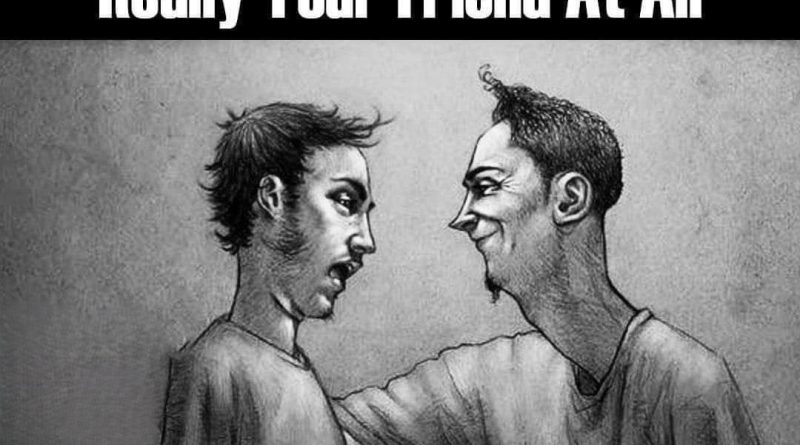
How to Recognize and Let Go of Toxic Friendships
How to Recognize and Let Go of Toxic Friendships
Friends are often described as chosen family—the people who stand by us, support us, and help us grow into the best versions of ourselves. Healthy friendships bring comfort, laughter, and stability, especially during life’s more stressful moments.
In fact, nearly everyone has at least one close friend. A Gallup poll found that 98% of people in the U.S. report having a close friendship, and long-term research involving more than 300,000 participants shows that strong social connections can increase longevity and reduce stress.
Psychologist Julianne Holt-Lunstad from Brigham Young University explains it simply:
“When we know we have people we can rely on, stressful situations feel more manageable—because we don’t feel alone.”
But not all friendships are healthy.
When Friendship Becomes Harmful
While supportive friendships help us thrive, toxic friendships do the opposite. Clinical psychologist Dr. Andrea Bonoir describes toxic friends as those who “cause stress, sadness, or anxiety rather than helping you grow.”
Over time, these relationships can wear you down emotionally. You may notice yourself feeling drained after interactions, questioning your self-worth, or acting in ways that don’t align with your values—just to keep the peace.
10 Types of Toxic Friends to Watch Out For
1. The Braggart
They dominate conversations with constant self-praise and show little interest in your life. Friendship shouldn’t feel like a one-person show.
2. The Constant Complainer
Nothing is ever good enough. Their nonstop negativity can slowly drain your energy and outlook.
3. The Unsupportive
When you need encouragement or help, they’re nowhere to be found. Real friends show up when it matters.
4. The Unreliable
They make promises but rarely follow through, leaving you disappointed again and again.
5. The Hypocrite
They criticize behaviors in you that they openly display themselves. Double standards are a major red flag.
6. The Belittler
Jokes that hurt, constant put-downs, or subtle insults can seriously damage your self-esteem over time.
7. The Needy
They constantly require emotional support but give very little in return. Relationship coach Julie Ward calls them “energy drainers.”
8. The Ultra-Negative
They magnify every problem and minimize every success, making it hard to stay positive around them.
9. The Selfish
They expect you to prioritize them but never return the favor. Friendship should be mutual.
10. The Jealous
They try to isolate you, feel threatened by your other friendships, and make you feel guilty for having a broader social circle.
What to Do If You Have Toxic Friends
Changing toxic people is rarely possible. They may promise to improve—but often fall back into the same harmful patterns. Instead, focus on what you can control:
Set clear boundaries
Take space or step away when needed
Invest time in friendships that feel supportive and uplifting
Letting go can be difficult, but it’s often necessary for your emotional well-being.
As the saying goes: Life is too short to be surrounded by people who drain your joy instead of adding to it.
Choose friendships that make you laugh, feel safe, and remind you of who you truly are. Healthy relationships don’t create drama—they create peace.
You’ve just read, How to Recognize and Let Go of Toxic Friendships. Why not read Manager Had To Hire A New Employee.