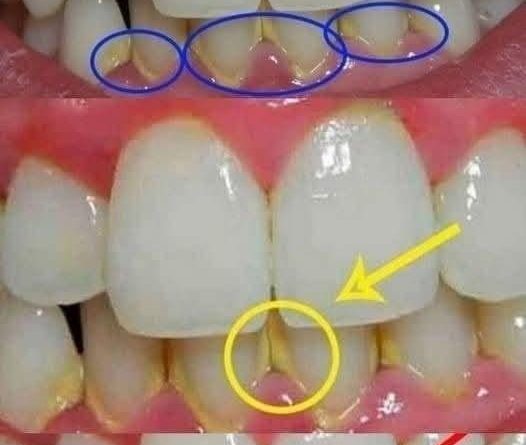
Remove dental plaque in 5 minutes naturally, without going to the dentist.
Dental plaque is a soft deposit of living microorganisms that forms on the surface of the teeth every day. It is made up of bacteria, sugars from food, and acids produced when those bacteria break down carbohydrates. Plaque develops naturally after eating and drinking, especially foods that contain sugar or starch. When oral hygiene is consistent, plaque can usually be removed through regular brushing and flossing. When oral care is neglected, plaque hardens over time and becomes more difficult to remove, eventually turning into tartar.
Plaque itself may seem harmless, but it plays a major role in many oral health problems. The bacteria inside plaque produce acids that weaken tooth enamel, increasing the risk of cavities. Plaque buildup along the gumline can also irritate the gums, leading to redness, swelling, and bleeding. If left untreated, this irritation can progress into gum disease, which may result in tooth sensitivity, bad breath, and even tooth loss. This is why plaque control is a key part of maintaining long term dental health.
Dentists traditionally recommend professional cleanings every six months to one year. These visits allow hardened plaque, also known as tartar, to be safely removed using specialized tools. Professional cleanings also help identify early signs of cavities or gum disease. However, many people wonder how they can improve dental cleanliness at home or reduce plaque buildup between dental visits. While home care cannot replace professional treatment, consistent daily habits can significantly reduce plaque accumulation.
The foundation of plaque control is proper brushing. Teeth should be brushed at least twice a day using a soft bristled toothbrush and fluoride toothpaste. Gentle circular motions are more effective than aggressive scrubbing, which can damage enamel and gums. Brushing should last at least two minutes and include all tooth surfaces, especially the gumline where plaque tends to collect. Replacing the toothbrush every three months is also important, as worn bristles are less effective at cleaning.
Flossing is another essential part of plaque removal. A toothbrush cannot reach the tight spaces between teeth where plaque easily builds up. Daily flossing helps remove food particles and bacteria from these areas, reducing the risk of cavities and gum inflammation. For individuals who find traditional floss difficult to use, floss picks or water flossers can be helpful alternatives.
Diet also plays a role in plaque formation. Reducing the intake of sugary snacks and drinks limits the fuel that bacteria need to produce harmful acids. Drinking plenty of water helps wash away food particles and supports saliva production, which naturally protects teeth. Crunchy fruits and vegetables like apples and carrots can help clean tooth surfaces and stimulate saliva flow.
Some people explore natural methods to support oral hygiene, such as rinsing with salt water or using baking soda occasionally. These methods may help reduce bacteria and freshen breath, but they should be used carefully and not as substitutes for brushing and flossing. Overuse of abrasive substances can harm enamel.
In conclusion, dental plaque is a natural but manageable part of oral health. With consistent brushing, daily flossing, mindful eating habits, and regular dental checkups when possible, plaque buildup can be kept under control. Maintaining these habits protects not only the teeth and gums but also overall health, making oral care an essential part of daily self care.