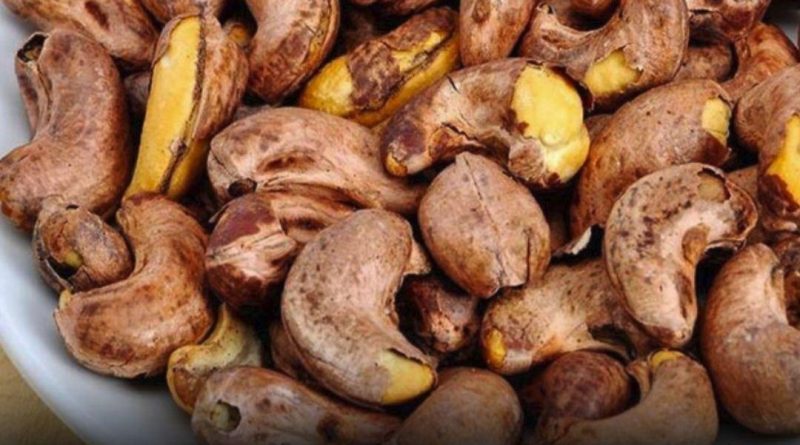
Doctors reveal that eating cashews causes
You may have seen alarming headlines like “Doctors reveal that eating cashews causes…” followed by dramatic claims about weight gain, kidney stones, or even heart problems. These statements are designed to provoke fear and grab attention, not to reflect medical reality. When you look past the clickbait and examine real nutritional science, the picture becomes far more reassuring.
The truth is simple. For most people, cashews are a healthy, nutrient rich food and not a health risk. Let us separate fact from fear and look at what science actually says.
Cashews are packed with valuable nutrients that support overall health. They contain heart healthy monounsaturated fats that help maintain balanced cholesterol levels. They are also a good source of magnesium, which supports muscle function, nerve signaling, and bone strength. Cashews provide copper and zinc, two minerals essential for immunity, energy production, and metabolism. On top of that, they offer plant based protein and fiber, which contribute to satiety and digestive health.
Multiple large scale studies show that regular nut consumption, including cashews, is associated with a lower risk of heart disease. People who eat nuts consistently tend to have improved cholesterol profiles, better blood sugar control, and reduced markers of inflammation. These benefits are one reason the American Heart Association encourages people to eat nuts several times a week as part of a balanced, heart supportive diet.
Despite these benefits, there are a few specific situations where cashews may cause issues. These cases are real but relatively uncommon and usually apply only to certain individuals.
Cashews are a tree nut and a known allergen. For people with a tree nut allergy, cashews can trigger reactions ranging from mild itching or hives to severe anaphylaxis. Anyone with a diagnosed nut allergy should avoid cashews entirely and follow medical guidance closely.
Some people may experience digestive discomfort if they eat large quantities of cashews. Cashews contain fermentable fibers that can cause bloating or gas, particularly in individuals with sensitive digestion or conditions such as irritable bowel syndrome. In these cases, moderation is key. A standard serving of about one quarter cup is usually well tolerated.
Cashews also contain oxalates, compounds that can contribute to calcium oxalate kidney stones in people who are prone to them. If you have a history of this type of kidney stone, limiting cashew intake and staying well hydrated may be advisable. For the vast majority of people, oxalates in cashews are not a concern.
One important safety note involves raw cashews. Truly raw cashews contain urushiol, the same toxin found in poison ivy. This substance is removed through steaming or roasting. All cashews sold as raw in stores have already been processed and are safe to eat. Truly unprocessed cashews should never be consumed.
Many popular myths about cashews do not hold up under scientific scrutiny. Cashews do not automatically cause weight gain. In fact, moderate nut consumption is associated with better appetite control and healthier body weight. Cashews do not raise cholesterol and may actually help lower LDL cholesterol. There is also no strong evidence linking cashews to acne, as diet related skin responses vary widely from person to person.
The bottom line is clear. For most people, cashews are a nutritious, enjoyable food that fits well into a healthy diet. Claims that doctors broadly warn against cashews are almost always misleading or taken out of context. In reality, many health professionals encourage eating unsalted nuts in reasonable portions.
Food fear may sell clicks, but science supports balance. If you have a specific medical condition, consult your doctor or a registered dietitian. Otherwise, enjoy cashews with confidence. They are a delicious and nourishing choice. 🌰✨